Septic Tank Repair & Pumping in Vidalia, GA — Serving Toombs County
Septic tank repair, septic tank pumping, line repair, and drain field restoration for residential and commercial properties throughout Toombs County, Georgia. Emergency septic service available. Georgia Rule 511-3-1 requires permits for new installations and major repairs; all permitting and coordination handled for Toombs County properties.
How much does septic pumping cost in Vidalia Toombs County?
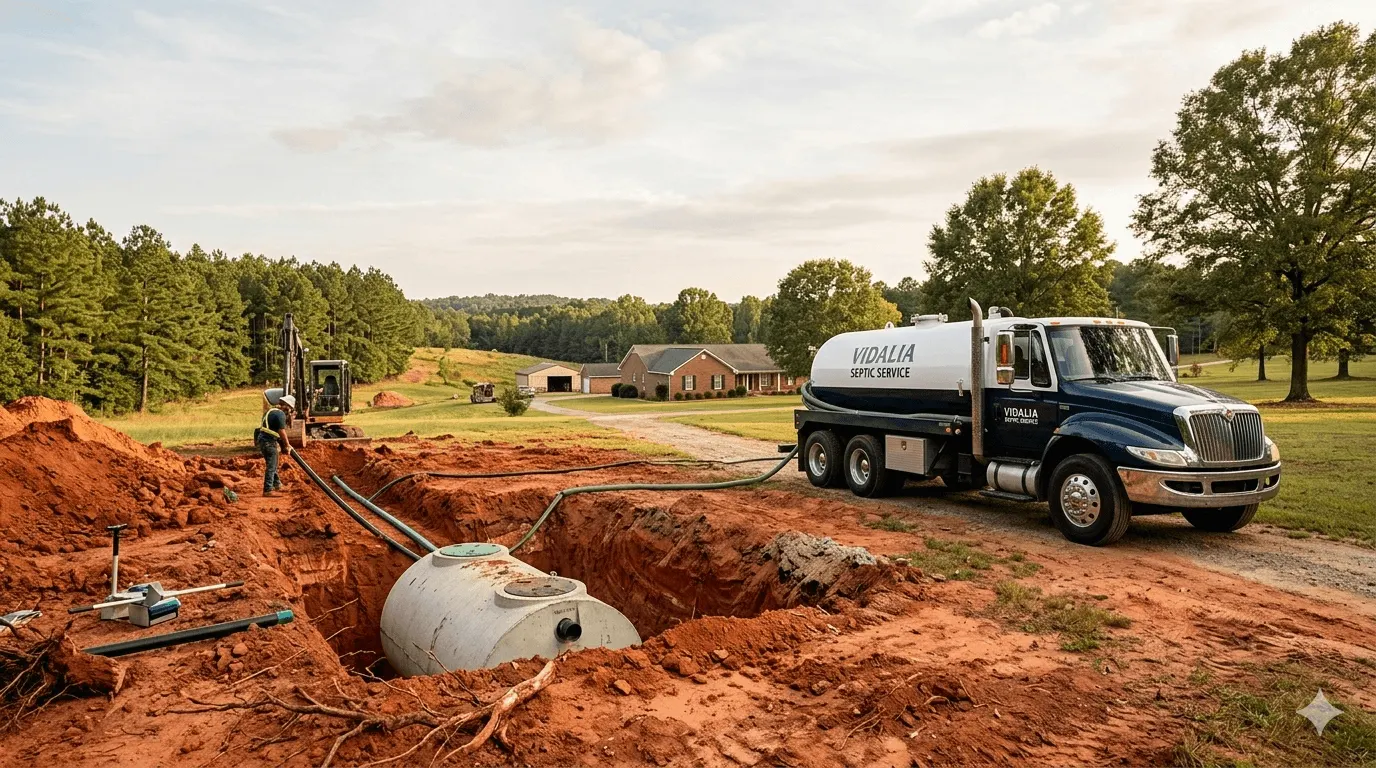
Septic pumping costs $300–$600 per residential tank in Vidalia, Toombs County. Local red clay soils and shallow water tables make routine pumping every 3–5 years essential to prevent drain field failure and system saturation. Georgia permits are required for new installations and major repairs. Service is available throughout Toombs County.
Services — Pumping, Repair & Installation
Residential and commercial work including pumping, drain field repair, and new installations. We handle everything from routine maintenance to urgent repairs.
Septic Tank Repair & Cleaning in Vidalia, GA
Vidalia Septic provides septic tank repair and septic tank cleaning throughout Toombs County, Georgia. Septic tank repair in the Vidalia area covers baffle replacement, riser and lid repair, distribution box repair, effluent filter service, and septic line repair for broken or root-damaged pipes. Septic tank cleaning — often called a pump-out — removes accumulated solids, inspects the inlet and outlet baffles, and assesses drain field condition.
Toombs County's Cecil series clay soil causes drain fields to saturate faster than sandy-soil counties, making routine septic tank cleaning every 3 to 5 years especially important for Vidalia-area properties. Septic tank repair costs in Toombs County, Georgia typically range from $300 to $3,500 depending on the component and extent of damage. Emergency septic pumping in Vidalia is available — no overtime fees for nights or weekends.
What does on-site wastewater service cost?
Pumping typically runs $300–$600 for a residential tank, while repairs range from $300 for a baffle replacement to over $10,000 for a full system. Every property is different — soil conditions and tank size determine what your system actually needs.
Septic Tank Pumping
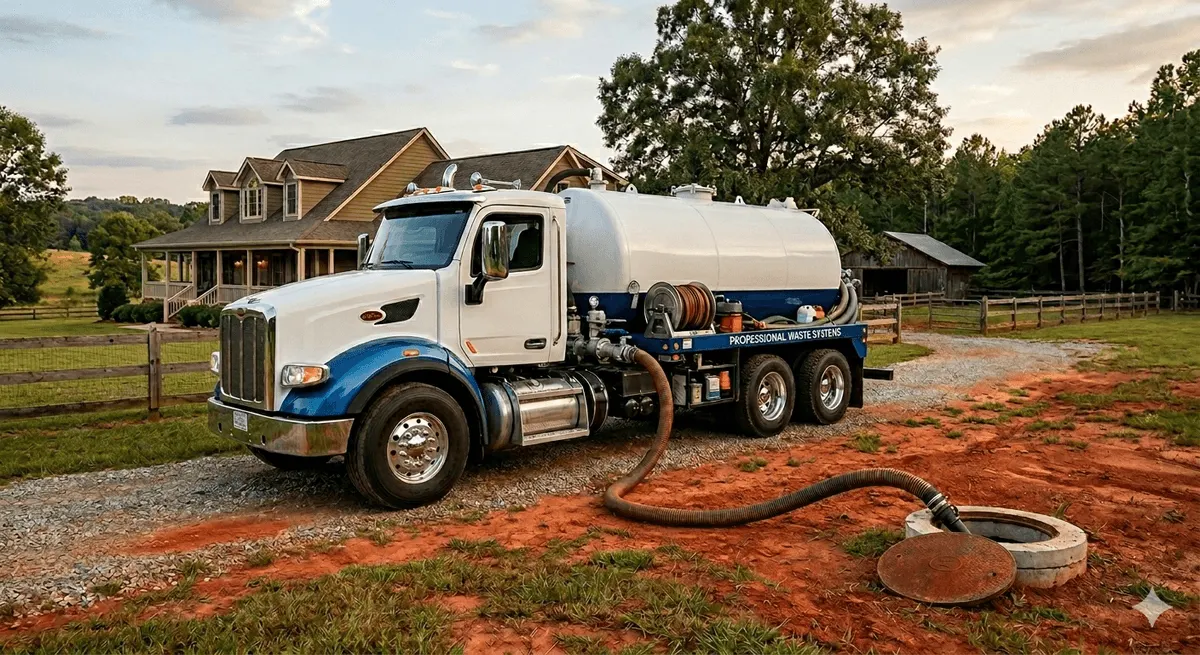
Pumping and cleaning prevents costly backups and system failure. Pump every 3-5 years for most residential properties. Service includes thorough cleaning, inspection, and a detailed condition report. Typical cost: $300 to $600.
Septic System Installation
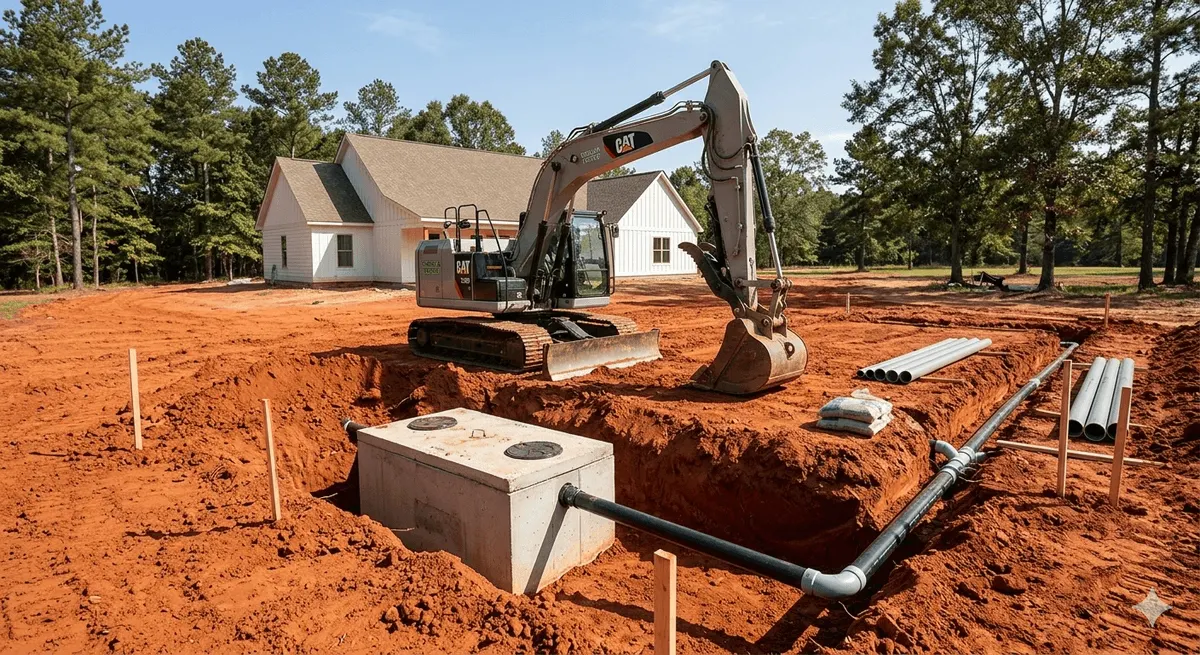
New construction or replacing an aging system? We design and install wastewater systems engineered for local soil conditions and water tables. We handle all permitting and code compliance throughout the process.
Repair & Emergency Help
Fast diagnosis for urgent system problems — from slow drains to sewage backups. Repairs address damaged baffles, broken pipes, tank cracks, and pump failures. Typical repair cost: $300 to $4,000 depending on the issue.
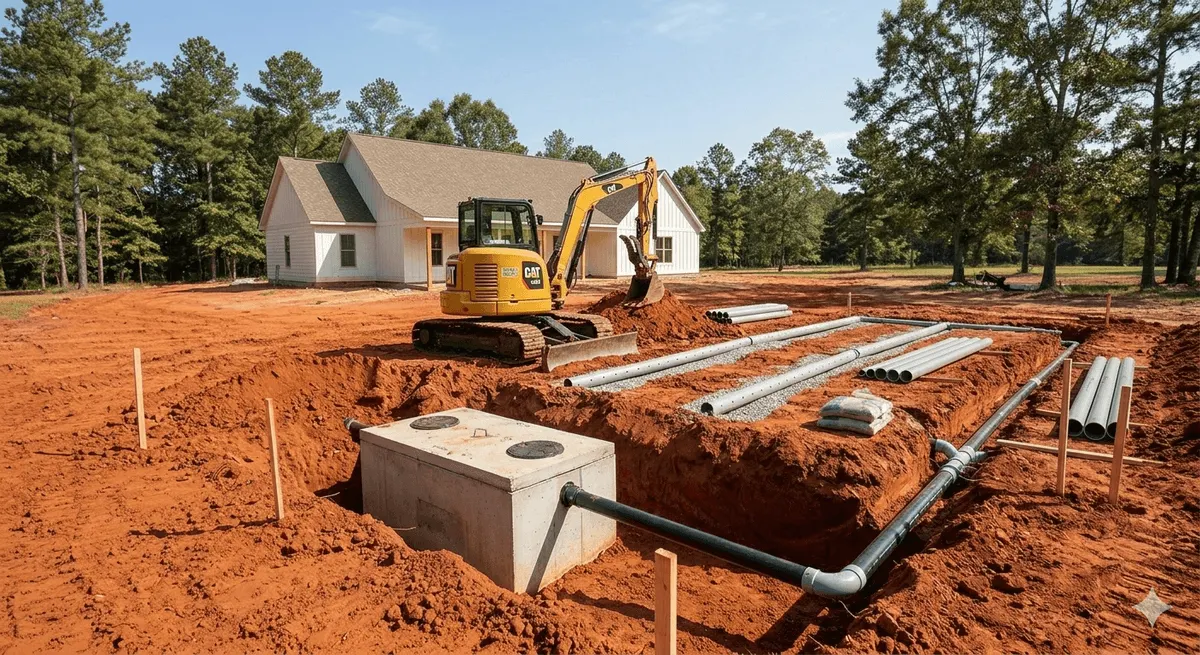
Drain Field Repair in Toombs County
Drain field repair and replacement for failing leach fields. A failing field doesn't always need complete replacement. We assess the condition, test drainage, and choose the most cost-effective fix. Typical cost: $2,000 to $10,000. Free assessment included.
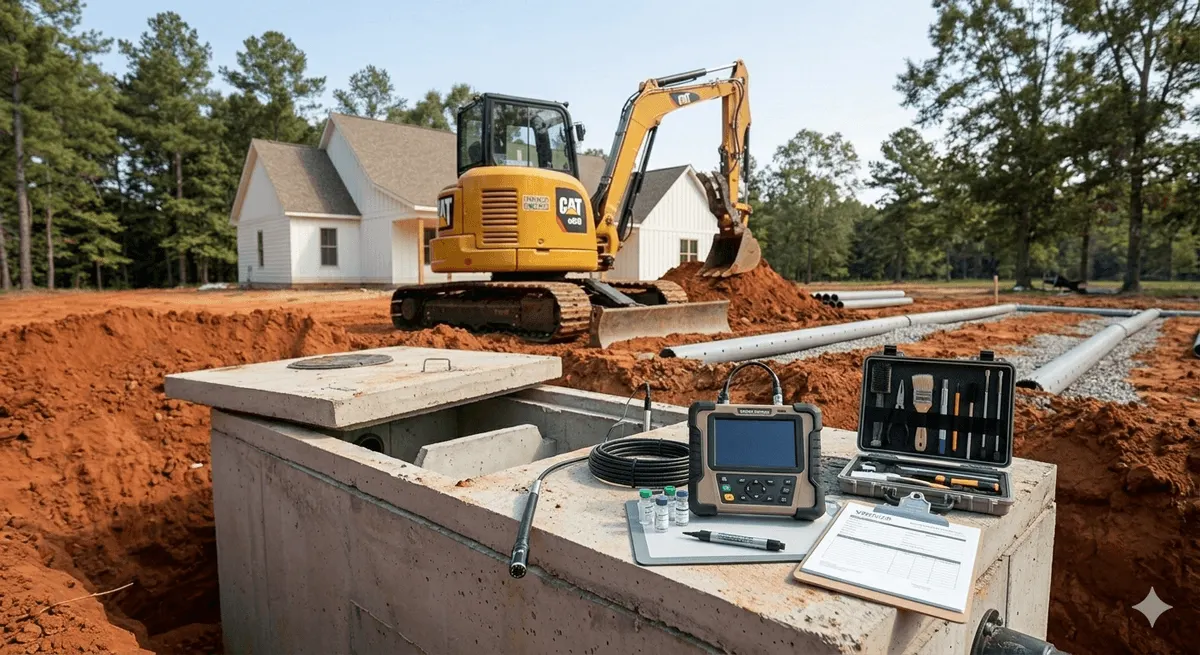
Septic Inspections
Buying or selling a home? We inspect tank integrity, check for leaks, assess drain field health, and provide detailed reports for real estate transactions or routine maintenance planning.
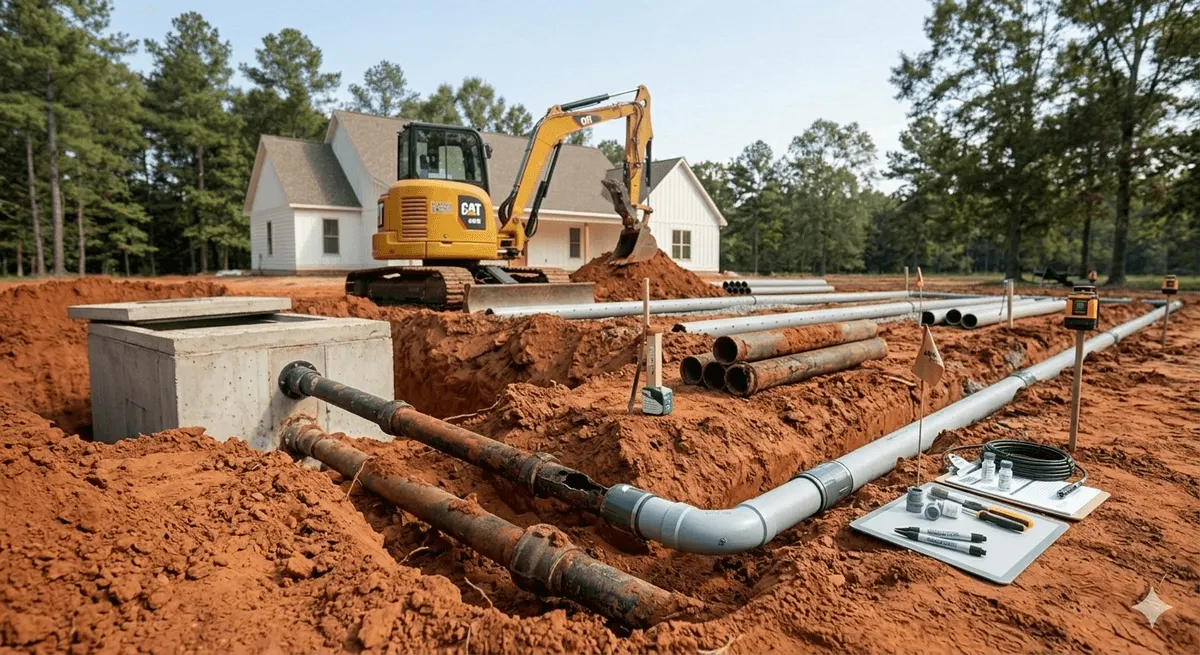
Septic Line Repair in Vidalia & Toombs County
Pipe and line repair for damaged or clogged runs. We use camera inspection to locate trouble, then repair or replace damaged sections. Root intrusion, pipe collapse, and clogs resolved quickly. Line repair: $1,500 to $4,000.
Why Property Owners Trust Our Work
Insured on Every Job
Every job includes proper site protection — we carry comprehensive liability and worker's compensation insurance, and every project meets Georgia EPD standards and passes environmental health inspections. Your property is protected from start to finish.
Local Soil & Site Expertise
Regional clay soils and shallow water tables directly affect how wastewater systems drain and fail — factors that take local knowledge to diagnose correctly. Our experience comes from hands-on work on properties throughout the area, not textbook training.
Emergency Response Available
Backups and system failures demand immediate action to keep sewage away from your home and property. Emergency help is available for urgent issues — submit a request and we respond with the right equipment to diagnose and contain the problem quickly.
Transparent Pricing, No Surprises
Pricing varies by tank size, job scope, and site conditions — routine pumping starts at $300, repairs range from $300 to $10,000. We provide written quotes before starting any work, with no hidden fees. If we discover additional issues during service, we explain your options and costs before proceeding.
How It Works
Contact Us
Request a quote through our form or email. Tell us what you need and we respond quickly with next steps.
Free Assessment
We evaluate your property and system. For repairs, we diagnose the problem. For new installations, we assess soil and site conditions.
Clear Quote
You receive an upfront, detailed quote with no hidden costs. We explain the work, timeline, and answer all your questions before starting.
Expert Service
Our experienced crew handles permits, follows Georgia regulations, and leaves your property clean when the work is done.
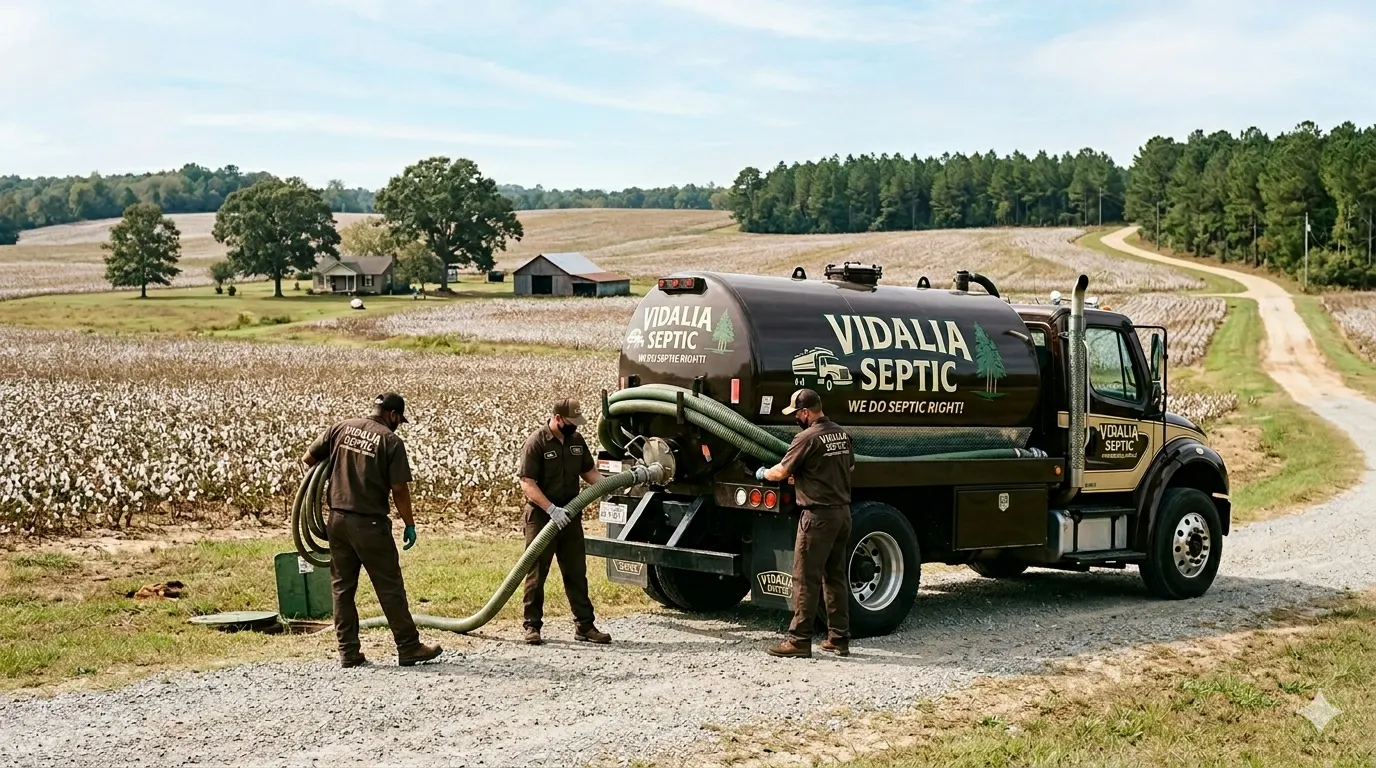
Professional Work Backed by Local Know-How
We provide dependable on-site wastewater work built on local knowledge and regional soil expertise. We understand the unique challenges rural properties face — from clay-heavy soil that affects drainage to the importance of regular upkeep in areas without municipal sewer access.
Our team brings proven experience to every job. We've handled a wide range of projects — from routine pumping to complex installations on challenging sites.
Your wastewater system is essential to your property's health and value. Reliable service keeps it running for years to come, with the straightforward, dependable approach you deserve.
Rural properties in Toombs County being developed or upgraded often need a well and a wastewater system at the same time — Vidalia Well Drilling drills residential wells throughout Toombs County. When site work is part of the project, Vidalia Land Clearing handles brush removal and lot clearing across the county, and Vidalia Gravel installs and repairs gravel driveways for Toombs County properties. Vidalia Septic is part of the Home Services Georgia network — a regional directory of verified home service providers across 9 rural Georgia counties including Toombs, Laurens, Bulloch, and Wayne.
FAQ — On-Site Wastewater Questions Answered
Common questions about tank maintenance and system care.
Most residential tanks need pumping every 3 to 5 years. This depends on household size, tank size, and water usage. Homes with garbage disposals or larger families may need more frequent pumping. Regular pumping prevents backups and extends the life of your system.
Common warning signs include slow drains throughout your home, sewage odors in your yard or house, standing water or soggy areas near the drain field, sewage backup in toilets or drains, and unusually lush grass over the drain field. If you notice any of these signs on your property, contact us immediately for an inspection.
Pumping typically costs between $300 and $600, depending on your tank size, accessibility, and how full the tank is. We provide upfront pricing with no hidden fees. Request a free quote to get an accurate estimate for your property.
Most work requires permits from the local health department. This includes new installations, repairs, and replacements. We handle all permitting and ensure your system meets Georgia regulations and local codes. Our licensed team ensures full compliance with all requirements.
Drain field failure is most often caused by lack of maintenance, compacted soil, excessive water usage, flushing non-biodegradable items, or age. Regional clay-heavy soils can also contribute to drainage issues over time. Regular pumping and proper use prevent most drain field problems. If your field is failing, we offer repair and replacement services.
A well-maintained system typically lasts 20 to 30 years. The tank itself can last even longer, but drain fields usually need replacement after 15 to 25 years. Regular pumping every 3–5 years, avoiding harsh chemicals, and proper water usage significantly extend system life.
Repair costs vary by issue type. Minor repairs like baffle replacement cost $300 to $600. Drain field repairs range from $2,000 to $10,000 depending on extent. Line repairs typically cost $1,500 to $4,000. We provide free assessments and upfront quotes so you know exact costs before we start work.
Many issues can be repaired without full replacement. Cracked tanks, damaged baffles, broken pipes, and failed pumps are often repairable. We assess tank integrity, age, and damage extent before recommending repair or replacement. Our goal is always the most cost-effective solution that ensures long-term reliability.
Emergency service addresses urgent issues like sewage backups, overflowing tanks, or system failures that threaten your health and property. We offer same-day emergency response. Our services include rapid diagnosis, immediate pumping if needed, and temporary solutions while planning permanent repairs.
Never flush wipes (even 'flushable' ones), feminine hygiene products, paper towels, grease, medication, or harsh chemicals into a system with a tank. These items clog pipes, kill beneficial bacteria in the tank, or cause premature drain field failure. Stick to toilet paper and human waste only. Using a garbage disposal with a tank system increases pumping frequency.
Heavy rain saturates the soil around the drain field, preventing it from absorbing treated wastewater. Regional clay-heavy soils are especially prone to this. During wet periods you may notice slow drains or soggy patches near the drain field. Reduce water usage during extended rain events and have your system inspected if problems persist after the ground dries.
Check your property records or permit documents filed with the local health department — these often include a site diagram. You can also follow the sewer line from your home's clean-out, probe the yard with a metal rod, or look for a slight mound or depression in the ground. We can locate your tank as part of a service visit.
A percolation (perc) test measures how quickly water drains through your soil — a key factor in sizing and siting a new system. A perc test or soil evaluation is required by the Georgia EPD before a new permit is issued. We coordinate with licensed soil scientists and the local health department to complete this step as part of a new installation.
The tank is a buried concrete or poly container that separates solids from liquid waste. Solids settle to the bottom as sludge; the liquid (effluent) flows out to the drain field. The drain field is a network of perforated pipes in gravel trenches that slowly releases effluent into the soil for natural filtration. Both must function correctly for the whole system to work.
Building structures, paving surfaces, or planting deep-rooted trees over your tank or drain field is prohibited under Georgia setback rules. Heavy weight compacts the soil and crushes drain field pipes. Tree roots infiltrate the system. If you are planning construction on your property, have us locate and flag your system before any work begins.
Most additives are unnecessary and some are harmful. A healthy tank already contains the bacteria it needs. Chemical additives can kill beneficial microbes or push solids into the drain field. The Georgia EPD does not recommend routine use of additives. The most effective maintenance is regular pumping every 3–5 years and avoiding flushing harmful materials.
Georgia Rule 511-3-1 governs onsite sewage management systems statewide. Permits for new installations and major repairs are issued through the county environmental health office in coordination with the Georgia EPD. Required setbacks include 50 feet from a water well, 10 feet from property lines, and 25 feet from streams or wetlands. All permitted work must be performed by a licensed contractor.
Cecil series clay is the dominant soil type across Toombs County and the Vidalia area. Its dense, fine-grained structure drains significantly slower than sandy or loamy soils, which means drain fields must be sized correctly to handle the reduced percolation rate. During wet seasons, this clay holds moisture longer, increasing the risk of drain field saturation. A proper perc test before installation and regular pumping every 3 years instead of 5 helps prevent system failure on clay-heavy properties.
Toombs County receives an average of 48 inches of rainfall per year, and the region's Cecil and Tifton series clay soils have low permeability. When heavy rain saturates the ground, the drain field cannot release effluent into already-full soil, leading to pooling, slow drains, and backups. Properties with undersized drain fields or those built before modern soil testing requirements are especially vulnerable. Reducing indoor water use during extended wet periods and maintaining a 3-year pumping schedule helps mitigate saturation issues.
Yes. Georgia EPD regulations require perc tests or soil morphology evaluations to account for the high clay content common in Vidalia-area soils. The testing measures the soil's long-term acceptance rate, which directly determines the required drain field size. Seasonal high water tables are also evaluated — systems must have at least 4 feet of unsaturated soil between the drain field trench bottom and the water table. This is especially important in Toombs County where clay layers can perch water near the surface during wet months.
Use the contact form at the bottom of this page or email us directly. We respond to all quote requests promptly and can often schedule same-day or next-day service for pumping and inspections. Emergency situations receive priority scheduling. We do not publish a public phone number — all requests go through the form or email.
Get Your Free Quote
Contact us for dependable on-site wastewater work. We respond quickly to all inquiries.
Contact Information
Service Area
Vidalia, GA 30474
Serving the region
Business Hours
Monday-Friday: 7:00 AM - 7:00 PM
Saturday: 8:00 AM - 5:00 PM
Emergency help available
Request Free Quote
Our Service Area
Our Toombs County Service Area
We cover all of Toombs County, Georgia — Vidalia, Lyons, and every surrounding community.
Vidalia & Toombs County Permit Monitoring
Monitoring Toombs County Environmental Health septic system permit activity for Q1, Q2, and Q3 2026 in coordination with the Georgia EPD. Permit records, inspection data, and compliance activity will be published here as it becomes available.
Data Forthcoming